


Choosing the Best Online Dental Hygiene Courses: A Comprehensive Guide
Embarking on the journey to become a dental hygienist through online education is a decision that requires careful thought and planning. As someone who has navigated the complexities of dental education, I understand the importance of selecting the right program that aligns with your career goals, learning style, and personal circumstances. The landscape of online dental hygiene courses has expanded significantly, offering flexibility and accessibility to aspiring professionals worldwide. However, this abundance of options can also be overwhelming. In this post, I will share insights and practical advice to help you choose the best online dental hygiene program, ensuring that your investment in education yields the best possible outcomes.
Understanding the Landscape of Online Dental Hygiene Courses
The first step in choosing the best online dental hygiene courses is to understand what these programs typically entail. Online dental hygiene programs are designed to provide theoretical knowledge and foundational skills through virtual classrooms, interactive modules, and remote assessments. However, because dental hygiene is a hands-on profession, most programs also require in-person clinical practice, which is often arranged locally.
When evaluating programs, consider the following key components:
Accreditation: Ensure the program is accredited by the Commission on Dental Accreditation (CODA) or an equivalent body. Accreditation guarantees that the curriculum meets industry standards and that your qualification will be recognized by employers and licensing boards.
Curriculum Content: Look for a curriculum that covers essential topics such as oral anatomy, periodontology, radiography, pharmacology, and patient care. A well-rounded program will also include courses on ethics, communication, and dental office management.
Clinical Requirements: Since practical experience is crucial, verify how the program facilitates clinical hours. Some programs partner with local dental clinics or schools to provide supervised hands-on training.
Technology and Support: The quality of the online learning platform and the availability of academic support services can significantly impact your learning experience. Check if the program offers live lectures, discussion forums, tutoring, and technical assistance.
By thoroughly researching these aspects, you can narrow down your options to programs that not only fit your educational needs but also support your professional aspirations.
Exploring the Benefits of Online Dental Hygiene Courses
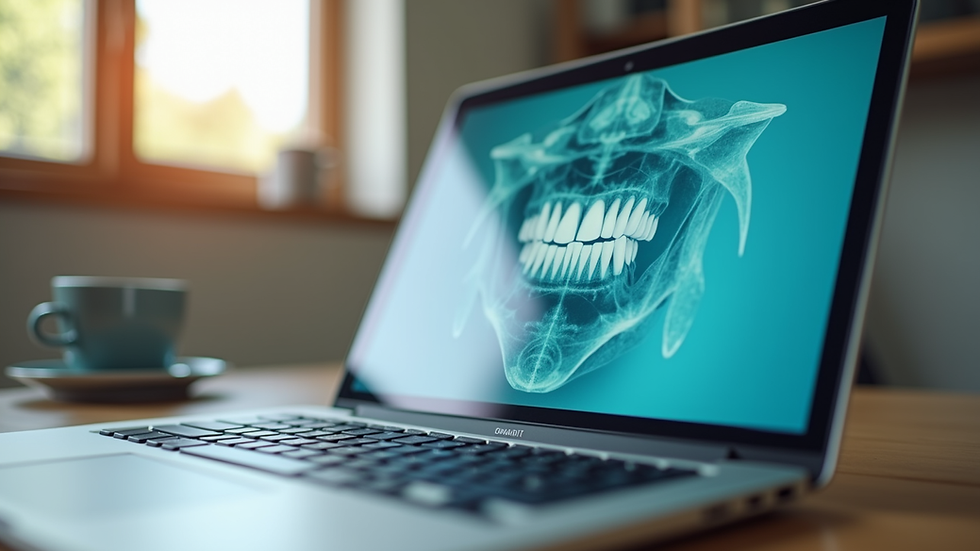
Choosing online dental hygiene courses offers several advantages, especially for those balancing work, family, or geographical constraints. The flexibility to study at your own pace and schedule is perhaps the most significant benefit. This flexibility allows you to continue gaining practical experience or fulfilling other responsibilities while advancing your education.
Moreover, online programs often provide access to a diverse community of students and instructors from various backgrounds. This diversity enriches discussions and broadens your understanding of dental hygiene practices across different cultures and healthcare systems.
Another advantage is the potential cost savings. Online programs may reduce expenses related to commuting, housing, and campus fees. However, it is essential to weigh these savings against the quality of education and the availability of clinical training.
When considering online dental hygiene courses, it is also worth reflecting on your learning preferences. Some students thrive in self-directed environments, while others benefit from more structured, in-person interactions. Assessing your motivation, discipline, and comfort with technology will help you determine if an online program is the right fit.
Who Gets Paid More, RN or RDH?
A common question among those entering healthcare fields is how the salaries of Registered Nurses (RNs) compare to those of Registered Dental Hygienists (RDHs). Understanding this can influence your decision when choosing a career path or educational program.
Generally, RNs tend to have a broader scope of practice and may earn higher median salaries compared to RDHs. According to recent labor statistics, the median annual wage for RNs in the United States is approximately $77,600, while RDHs earn a median of about $77,090. The figures are close, but RNs often have more opportunities for advancement into specialized or managerial roles, which can lead to higher earnings.
However, salary should not be the sole factor in your decision. The work environment, job satisfaction, and personal interest in dental health versus nursing care are equally important. Dental hygienists often enjoy more regular hours and less physically demanding work compared to nurses, which can contribute to a better work-life balance.
Ultimately, both professions offer rewarding careers with strong job prospects. If your passion lies in oral health and preventive care, pursuing dental hygiene through reputable online dental hygiene courses can be a fulfilling choice.
Key Factors to Consider When Selecting an Online Dental Hygiene Program
Having explored the general landscape and benefits, it is crucial to delve deeper into specific factors that will influence your success and satisfaction with an online dental hygiene program. Here are some practical considerations:
Program Length and Scheduling: Programs vary in length, typically ranging from 2 to 4 years. Consider how the program’s pace fits with your personal and professional commitments. Some offer accelerated tracks, while others provide part-time options.
Admission Requirements: Review prerequisites such as prior coursework, GPA, standardized tests, and any required certifications. Some programs may require a background in biology or chemistry.
Licensing Preparation: Ensure the program prepares you for the National Board Dental Hygiene Examination (NBDHE) and any state-specific licensing exams. Passing these is essential to practice legally.
Clinical Placement Assistance: Investigate whether the program assists with securing clinical placements near your location. This support can be invaluable, especially if you are new to the area or unfamiliar with local dental facilities.
Cost and Financial Aid: Compare tuition fees and available financial aid options. Some programs offer scholarships, grants, or payment plans to ease the financial burden.
Student Outcomes: Look for data on graduation rates, licensure exam pass rates, and job placement statistics. These indicators reflect the program’s effectiveness and reputation.
By systematically evaluating these factors, you can make an informed choice that aligns with your goals and circumstances.
Navigating the Application Process and Preparing Your Personal Statement
Applying to online dental hygiene programs requires careful preparation, especially when it comes to your personal statement. This document is your opportunity to convey your passion for dental hygiene, your commitment to the profession, and your unique background, particularly if you are an international applicant or foreign-trained dentist.
Here are some tips to craft a compelling personal statement:
Reflect on Your Motivation: Explain why you chose dental hygiene and what inspires you about this field. Personal stories or experiences can make your statement memorable.
Highlight Relevant Experience: Discuss any clinical, volunteer, or work experience related to dental care. Emphasize skills such as communication, empathy, and attention to detail.
Address Challenges and Growth: If you have faced obstacles, such as adapting to a new country or overcoming academic difficulties, describe how you managed them and what you learned.
Demonstrate Knowledge of the Program: Show that you have researched the program and explain why it is a good fit for your goals.
Maintain Clarity and Professionalism: Use clear, concise language and avoid jargon. Proofread carefully to eliminate errors.
Since the personal statement is a critical component of your application, consider seeking expert feedback or editing services to enhance its impact. A well-crafted essay can significantly improve your chances of admission to competitive programs.
Embracing the Journey Ahead
Choosing the best online dental hygiene program is a pivotal step toward a rewarding career in oral health. It requires balancing practical considerations with personal aspirations and being mindful of the evolving demands of the profession. By thoroughly researching programs, reflecting on your goals, and preparing a strong application, you set yourself up for success.
Remember that education is not just about acquiring knowledge but also about growing as a professional and individual. The right program will challenge you, support you, and prepare you to make a meaningful difference in the lives of your future patients.
For those ready to take the next step, exploring dental hygiene online programs can open doors to flexible and high-quality education tailored to your needs. With dedication and the right guidance, your dream of becoming a skilled dental hygienist is well within reach.


Comments